
Our
Products
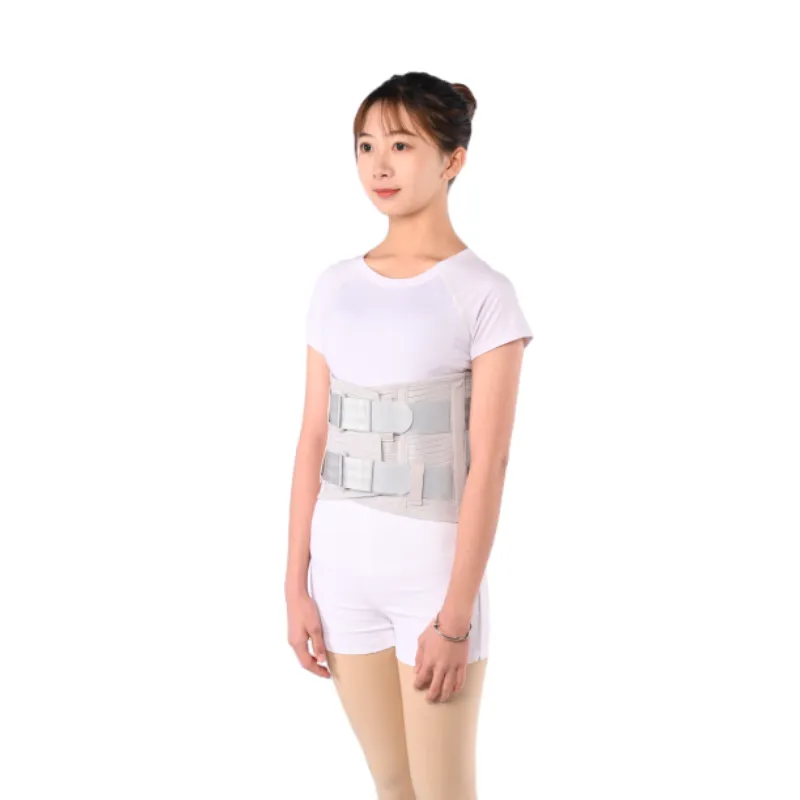
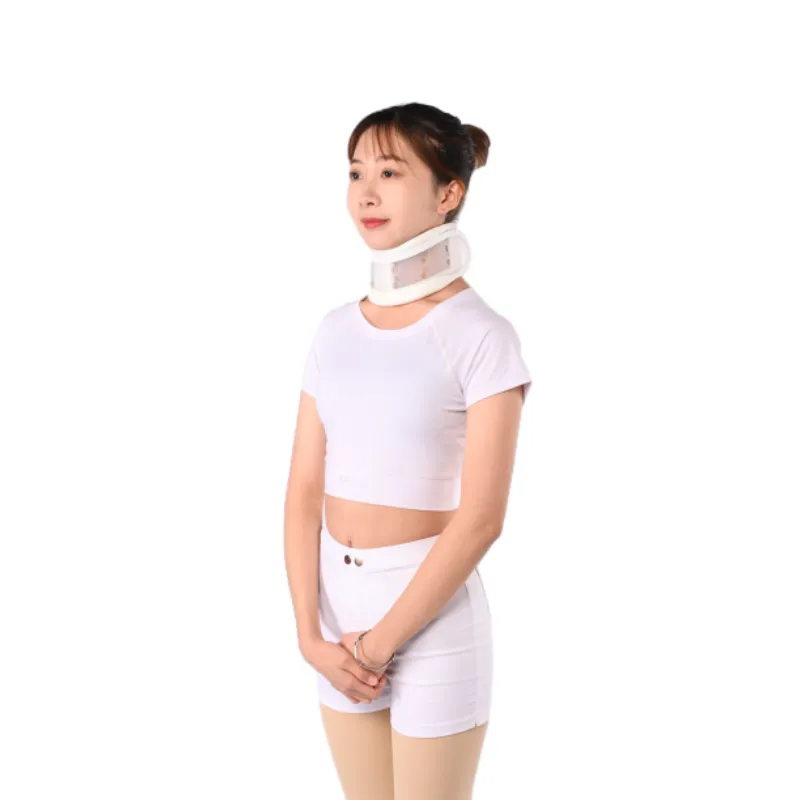
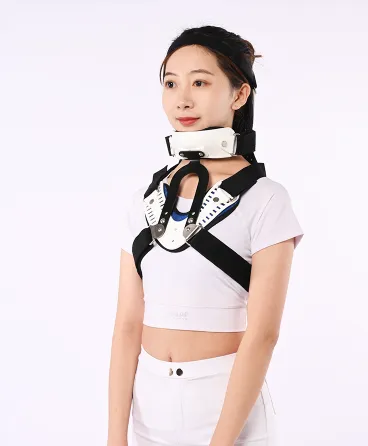
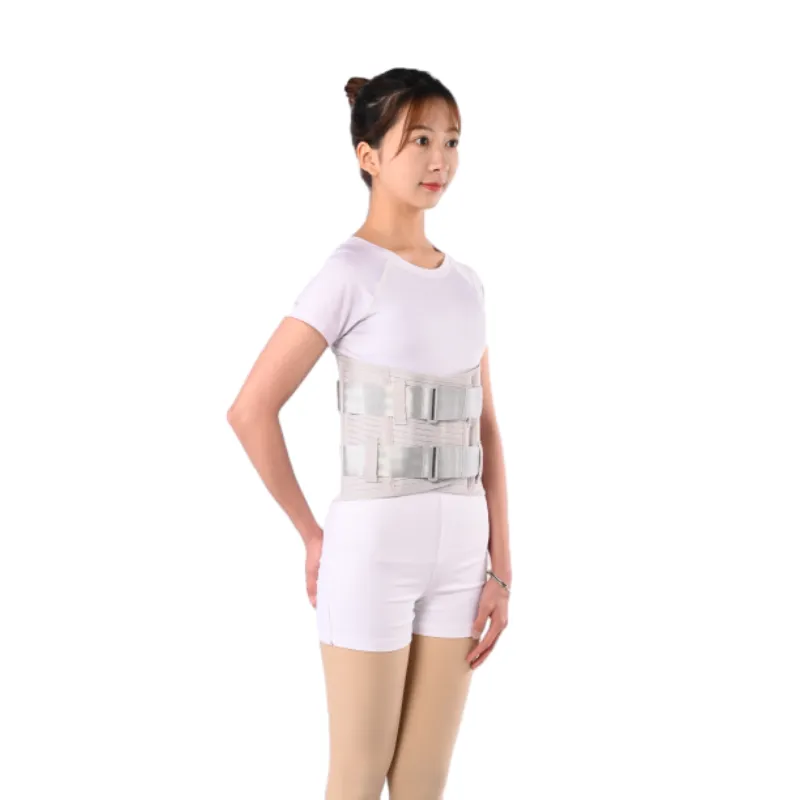
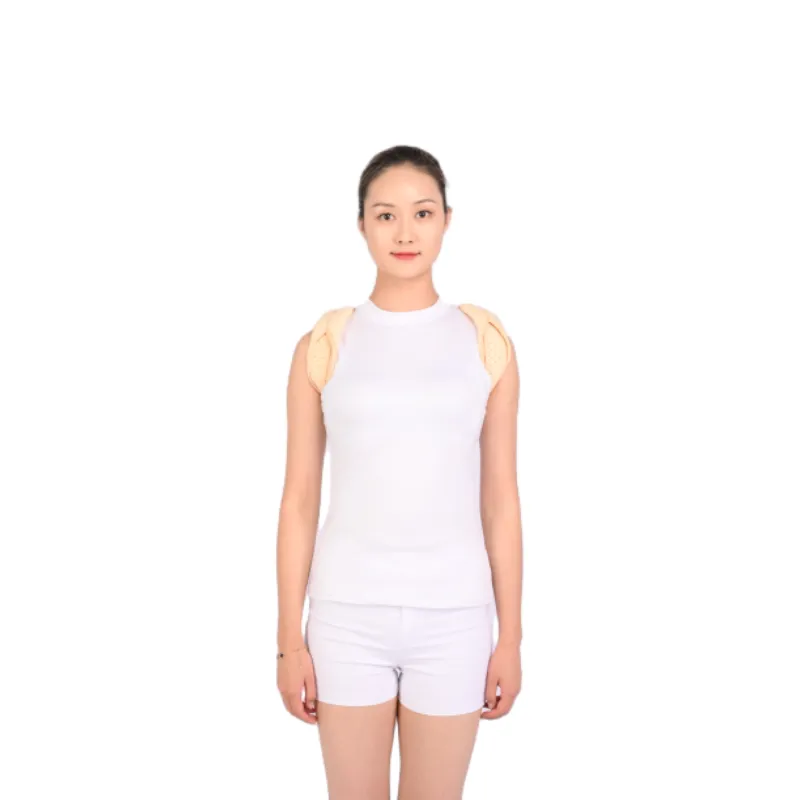

brace to pull shoulders back
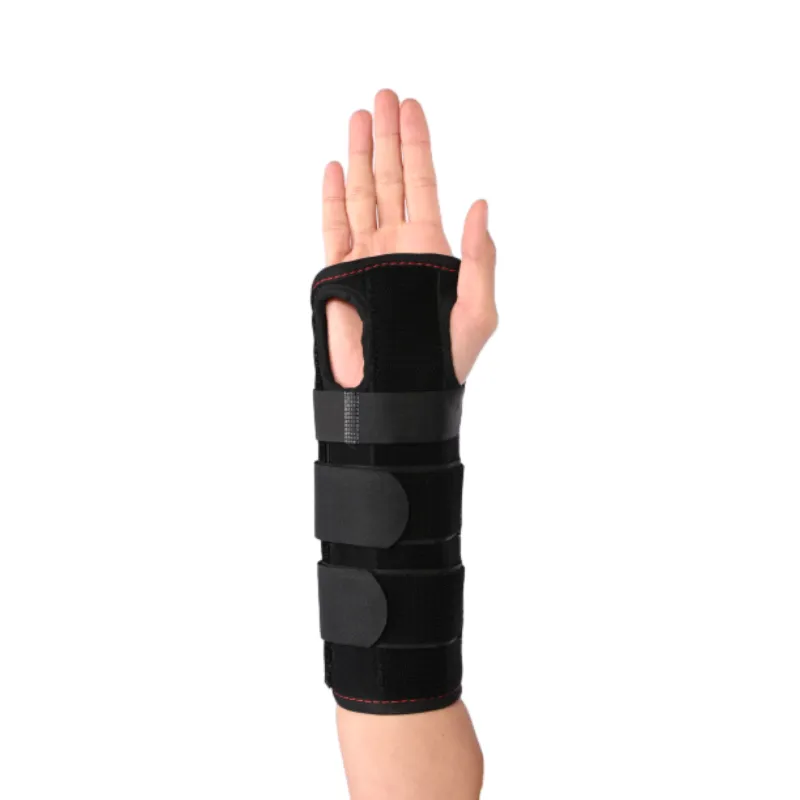
Should You Use a Back Brace for Hunched Shoulders? An Insider’s Field Guide If you’ve typed back brace for hunched shoulders into a search bar at 2 a.m., you’re not alone. I’ve spent a decade talking with physiotherapists, factory managers, and marathoners about posture gear—and, to be honest, what people want is simple: support that works without being a hassle. Industry snapshot Remote work, heavier device time, and return-to-sport rehab have pushed posture solutions into the mainstream. The market is trending toward breathable textiles, adjustable tensioning, and lighter profiles you can wear under a shirt. Surprisingly, clinicians tell me compliance improves when a brace feels “forgettable.” That’s where the Shoulder Brace from JH Orthopedic (Anping County, Hebei, China) has been getting attention: it blends shoulder stabilization with gentle upper-back cueing for users who say they need a back brace for hunched shoulders but don’t want a bulky harness. Key specs (real-world use may vary) Parameter Spec ≈ Model Shoulder Brace (upper-back/shoulder support) Materials Neoprene blend + breathable mesh, nylon/spandex straps, hook-and-loop Sizing S–XL; chest ≈ 80–120 cm; unisex Typical Wear Time 30–90 min sessions; therapist-guided progression preferred Certs (factory/product) ISO 13485 QMS, CE (MDR Class I), FDA listing (Class I, general controls) How it’s made (brief, but practical) Material selection: OEKO‑TEX Standard 100–compliant textiles; low-odor neoprene; mesh panels to reduce heat build-up. Cut & stitch: Die-cut panels, flatlock seams to minimize chafing; reinforced anchor points. Hardware: Wide hook-and-loop with peel strength tested per ASTM D903; elastic recovery checks. Testing: Grab tensile (ASTM D5034), seam strength (ASTM D1683), cyclic strap fatigue 10,000 pulls; biocompatibility per ISO 10993 screening. Service life: ≈ 12–24 months in normal use; straps retain ≥85% tension after 5,000 cycles (lab data). Where it fits Use cases I keep hearing about: desk work (posture cueing), post-shoulder strain stability, warm-ups before lifting, long drives, and light return-to-play drills (coach approved). It’s not a cure-all—therapists still want strengthening and mobility work alongside a back brace for hunched shoulders . But many customers say the reminder effect helps them “reset” during fatigue. Vendor comparison (quick take) Vendor Origin Certs MOQ Lead Time Customization JH Orthopedic No.240 Xingying West St., Anping, Hebei ISO 13485, CE, FDA listing ≈100 pcs 7–15 days Logo, sizes, fabrics, packaging Generic Importer Mixed Basic 500+ 20–30 days Limited Boutique Brand EU/US ISO 13485, CE ≈50 pcs 15–25 days Premium finishes Customization & purchasing notes Private label with heat-transfer logos; retail box or polybag. Material swaps: low-latex option, extra-breathable mesh, or firmer stays for stronger cueing (ask if you need a stiffer back brace for hunched shoulders feel). Colorways for teams and clinics; size curves for specific demographics. Field feedback (mini case files) - Logistics supervisor, Shenzhen: “After 2 weeks, the reminder kept me from slouching at end-of-shift. Breathability was better than expected.” - PT clinic, Prague: “We pair it with scapular strength work; adherence is higher because it’s easy to fit.” Final word: a back brace for hunched shoulders is a training tool, not a magic wand. Combine brief wear times with mobility and strengthening, check sizing carefully, and if you’ve got pain, talk to a clinician first. Authoritative citations ISO 13485: Medical devices — Quality management systems ISO 10993 series: Biological evaluation of medical devices ASTM D5034: Grab tensile test for textiles ASTM D903: Peel strength of adhesive bonds OEKO‑TEX Standard 100 U.S. FDA: Medical Devices (Class I general controls overview)
Why Choose Us



Read
Our
Blog

No.240 Xingying West Street,Anping County,Hebei Province,China


Have a question? Keep in touch.


Copyright © 2025 Hebei
Jianhang
Technology
Co.,Ltd.
All Rights Reserved. Privacy Policy


